
"Kenyan washed process"
800 article(s) found

Description of flavor characteristics of seven major producing areas of Kenyan coffee beans taste of Kenyan coffee beans treated varieties
Kenyan coffee producing areas introduce altitude, latitude and geology: the equator runs through Kenya, and the border is just within ten degrees of north and south latitude. Belonging to tropical producing areas, there are two rainy seasons every year, with two harvests, with 60% concentrated from October to December and another 40% from June to August. Coffee is mainly grown in volcanic areas around 16002100 meters above sea level from the capital Narobi to the mountains of Kenya. This height
The difference between Kenyan Coffee washing and Solar exposure-Honey-treated Coffee beans
The difference between Kenyan coffee washing and sun drying-Honey treated coffee beans sunwashed [sunbathing]: beans are smaller than Longberry, yellowish in green, coffee is placed in hemp net wooden racks in the sun drying field of Sidamo, workers take turns to stir coffee manually under the sun exposure, sun drying Sidamo is usually marked with G4 exit, washing Sidamo because of the treatment process.

Flavor and taste of Kenyan Coffee Manor introduce the characteristics of Kenyan coffee beans in Berman Manor
Kenyan coffee can not underestimate Kenyan small farmers, they are no less ant soldiers, the overall production capacity is higher than large farms, about 6: 4, which is quite rare in bean-producing countries. Kenyan coffee is widely appreciated by connoisseurs, thanks in large part to small farmers guarding the foothills and producing high-quality coffee. In addition, Kenya beans must have a strict grading system, according to the size of the coffee beans taken out by the washing plant.

Kenyan coffee Gigula C.G.C.S. Cooperative Mutwewathi Muttvivasi processing plant information
Professional coffee knowledge exchange more coffee bean information please follow Coffee Workshop (Wechat official account cafe_style) Kenya Nyeri Mutwewathi AA Kenya Neri production area Mitt Wasser processing Plant AA country: Kenya (Kenya) production area: Qili Nyeri. Mt. Kenya processing plant: Mitwasik Mutwewathi: 1400-1600 meters above sea level
The geographical advantages of growing coffee in Kenya and the washing technology of Kenyan coffee
Following Kaiping (official Wechat account vdailycom) found that Beautiful Caf é opened a small shop of its own the geographical advantage of growing coffee in Kenya despite the border with Ethiopia in the north, the Kenyan coffee industry started late. In the 19th century, Arabs planted coffee on a small scale, but there was a serious bloodshed with Kenyans. In 1893, European missionaries learned from
Introduction of African Kenyan boutique coffee beans. What is the treatment of Kenyan coffee beans?
The first impression of Kenyan coffee is that it is sour and lively, and Qianjie coffee thinks it has a lot to do with the local superb washing technology, because washing itself can make coffee beans absorb more pleasant acidity such as citric acid and fruit acid in the process of treatment, making coffee beans brighter and cleaner in flavor.
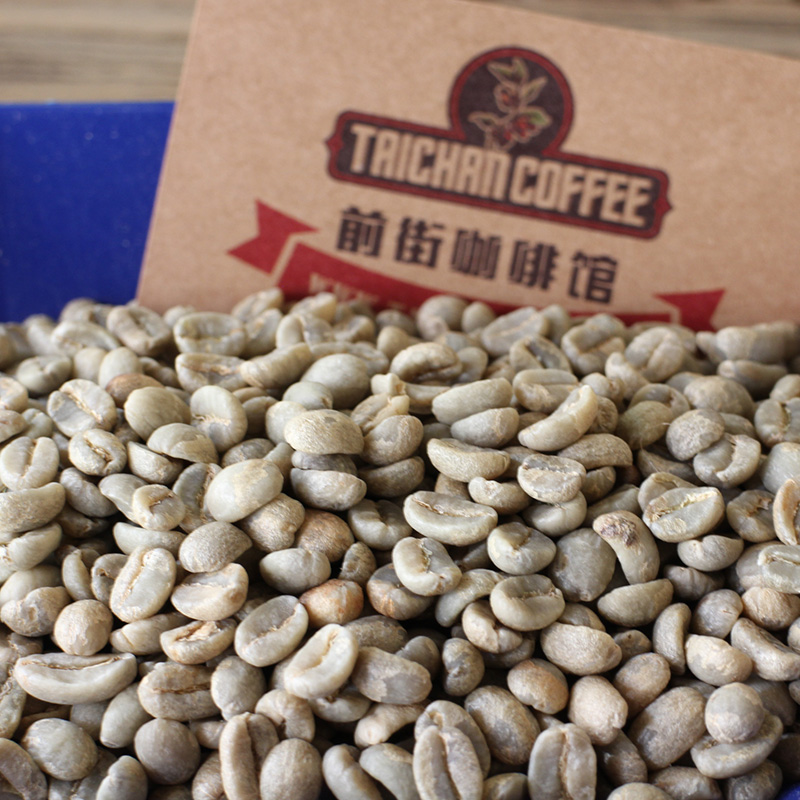
Kenya Coffee Raw Bean Kenya AA Manor Import Raw Coffee Bean Water washing Kenyan Coffee processor
Kenyan coffee has many followers in the boutique coffee industry, and Kenyan AA has an extraordinary popularity. Kenyan coffee, known as the Cup of connoisseurs (ConnoisseursCup), is famous in the coffee industry for its rich aroma, bright and vibrant acidity, full and elegant mellowness and red wine flavor. Caffeine in different producing areas has its own fine due to the difference of microclimate.

Introduction to the method of flavor description and taste treatment for grinding scale production of Kenyan coffee beans
There are two types of coffee farms in Kenya. One is a large plantation that covers an area of more than five acres, but the average elevation is low. In the case of Kenyan coffee, the coffee beans of the large farms are of medium quality. The best Kenyan beans come from small farms, most of which are located in the foothills or volcanic slopes above 5,000 to 6,000 feet. Each small farmer has a capacity of only 20 to 70 bags per season.

Boutique coffee beans Kenyan coffee farm type Kenyan coffee AA introduction
Kenya AA, round beans, thick flesh, good heat permeability, high precision, French baking, rich and sweet taste, mellow thickness, good expansibility, aroma and sweetness are top grade. People in the coffee industry all think that Kenyan coffee is one of its favorite products because Kenyan coffee contains every feeling we want from a good cup of coffee. It has

Difference of Coffee Flavor between Neri and Kirin Yajia producing areas in Kenya introduction of Kenyan coffee varieties
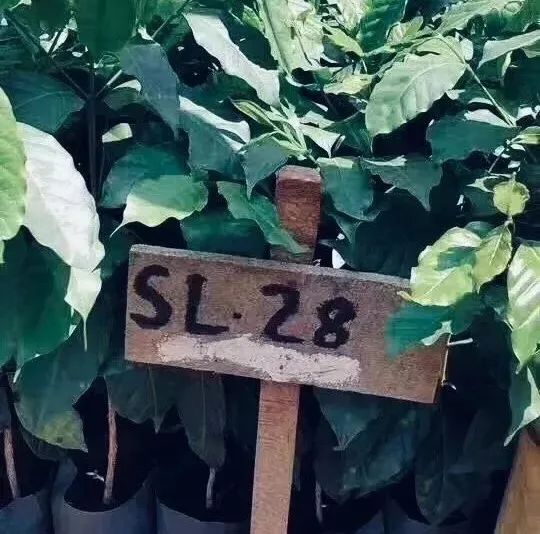
Kenyan coffee plant varieties Kenya's red-orange, fertile volcanic soil and the region's mild climate as well as ideal equatorial sunlight and a carefully selected Kenyan coffee plant variety SL 28 SL 34 K7 Ruiru 11 Batian-all unique to East Africa, as well as the Blue Mountains. These varieties may make Kenya the most stable world-class boutique coffee producer in the world. Kenny.

Kenyan hand-brewed coffee tastes round and solid Kenyan coffee tasting sharing
Professional coffee knowledge exchange for more information on coffee beans, please follow the coffee workshop (Wechat official account cafe_style) front street-Kenya coffee flavor taste, tasting steps to introduce the Kainamui processing agency located in Kirinyaga County Gichugu and its sub-division Ngariama. The agency was established in 1963 and has 2000 members, of whom 1200 are men and 800 are women.

Kenyan coffee in coffee producing areas known as the "Cup of connoisseurs" (Connoisseurs' Cup)
Kenyan coffee, known as the Cup of connoisseurs (Connoisseurs Cup), is famous in the coffee industry for its rich aroma, bright and vibrant acidity, full and elegant mellowness and red wine flavor. Caffeine in different producing areas has its own subtle flavor due to the difference of microclimate. Although the history of coffee in Kenya is adjacent to Ethiopia, the birthplace of coffee, coffee is grown.

Introduction of Handege Factory Lishu Cooperative and Ji processing Plant in Coffee Qianbu producing area of Kenya
Professional coffee knowledge exchange more coffee bean information please follow Coffee Workshop (Wechat official account cafe_style) Kenya Qianbu Cooperative and Ji processing Plant AB level double hand batch production area: Africa Kenya Qianbu (Kiambu) altitude: 1850-1900 m producer: regional smallholder varieties: SL28,SL34 processing plant: and Ji processing plant (Hande)

Kenya washing AA Klinga production area Cabaret hole fish processing plant fine coffee beans grind and bake
Country: Kenya Grade: AA production area: Klinaga production area altitude: 1550-1750 m soil quality: red Phosphoric Acid soil treatment: Kenyan double washing treatment Variety: SL 28, SL 34 treatment Plant: hole Fish treatment Plant producer: Cabaret Cooperative Flavor: grapefruit Green Tea, Citrus, Black Plum, located in East Africa, Kenya is one of the major coffee producing countries.

Introduction to the flavor of Kenyan coffee
Kenyan coffee is aromatic, full-bodied and fruity with a rich and perfect taste. Kenyan coffee has a wonderful fruit flavor, tastes like BlackBerry and grapefruit, and is a favorite of many coffee gluttons. This coffee has an excellent medium purity, crisp and refreshing taste. It has a fresh flavor and is most suitable for drinking iced coffee in summer. Taste this.

Flavor and taste of Kenyan Coffee Manor introduce Berman Manor Kenyan coffee beans
Located in KIAMBU area around Mount Mountain Kenya, about 1800 meters above sea level, it has beautiful scenery, pleasant climate, sufficient light and superior soil conditions. it belongs to fertile acidic red soil with loose soil, deep soil layer and good drainage. The PH value is between 5.5 and 6.5. Kiambu producing area [manor] SASINI [soil] volcanic soil [product]

Finca La Cruz Kenyan washing treatment of Costa Rican boutique coffee beans Holy Cross Manor
Professional baristas Please follow the Coffee Workshop (Wechat official account cafe_style) the Zamora Picado family started the coffee business in the 1970s, when the owner Mr. Egidio Zamora Navarro grew coffee in the tiny block of Alto Canet, which is now located in the Tarazu region, where the Holy Cross is located. Today, Holy Cross Manor is meeting the needs and creation of international consumers.

Variety introduction, baking analysis and brewing suggestion of Komatina cranberry coffee producing area in Kenya AB
Professional coffee knowledge exchange more coffee bean information please follow the coffee workshop (Wechat official account cafe_style) KenyaAB Kiambu Gitwe Kenya AB Komatina cranberry production area: Qianbu Micro area: Gitwe soil: volcanic clay altitude: 1400 m-1800 m varieties: Lmur28, SL-34, Ruiru 11 treatment: Kenyan 72-hour washing 01 | production

Kenya coffee beans characteristics of the production area taste grinding scale processing method aroma yield trend introduction
Kenya coffee is mostly grown at altitudes of 1500- 2100 meters and harvested twice a year. To make sure only ripe berries are picked, people have to make about seven rounds through the woods. Kenyan coffee is grown by small farmers who harvest the coffee and send it fresh to a cooperative washing station, where the washed, dried coffee is washed into parchment coffee beans (i.e., coated inside).

Kenyan coffee beans, coffee beans
Professional coffee knowledge exchange More coffee bean information Please pay attention to coffee workshop (Weixin Official Accounts cafe_style) Front Street Coffee Kenya Jiachasha Cooperative AB Coffee Bean Producing Area: Kenya Neri Jiachasha Cooperative Processing Plant: Gathaithi Processing Plant Elevation: 1825m Variety: SL